PZI Events Calendar
W E L C O M E to the PZI Events Calendar! Here you will find all upcoming events and registration links for PZI Zen Online retreats, sesshins, and weekly meditations & talks. Search by individual event, day, or month. Save to your Google Calendar or iCal Calendar. No experience required to participate. All event times are Pacific Time. Questions? Contact Lucas at PZI Support.

F E A T U R E D
May 7–10: Say A True Word & I Will Stay The Night – Open Mind Retreat with John Tarrant, Tess Beasley, & Allison Atwill
May 17: Sunday Zen with John Tarrant, Allison Atwill & Tess Beasley
June 8–14: Dragons & Tigers, Oh My! – Our Great Summer Sesshin with John Tarrant & PZI Teachers

- This event has passed.
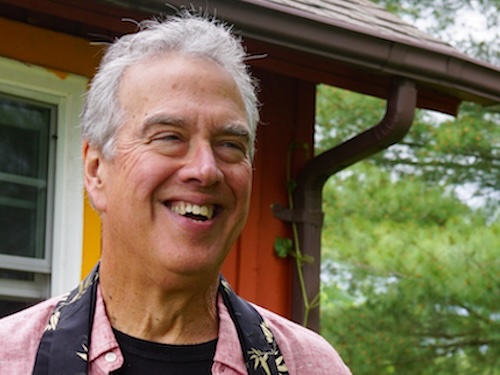
TUESDAY ZEN with David Weinstein: Nanquan’s Cat – Equanimity Case 9
REGISTER
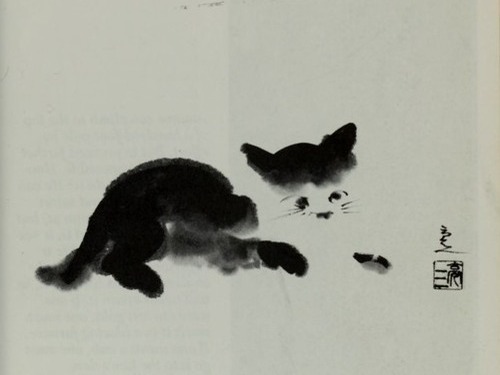
One day at Nanquan’s, students of the eastern and western halls were arguing over a cat. Nanquan held up the cat and said, “If you can say something, I won’t kill it.” No one could speak, so Nanquan cut the cat in two.
That evening, Zhaozhou returned from a trip and Nanquan brought up what had happened. Zhaozhou took off his sandals, put them on top of his head, and walked out. Nanquan said, “If you had been here, you’d have saved the cat.”
—Book of Serenity Case 9
What came to me as I started keeping company with this koan was the first precept about killing. I can’t think of any other koans in which something is literally killed. Lots of people experience the “great death,” “killed” by their teacher’s words or actions, but none literally: It is their relationship to their ideas about themselves and the world that gets killed.
I did come across a story about an old teacher named Chan Master Fori, also known as Dahui, who is credited with innovating the koan meditation practice. So, a well known and respected teacher. The name “Fori” was given to him by the Emperor in recognition of his excellence as a teacher, and it means “Buddha Sun.”
Fori was having tea with a group when he saw a cat coming, and tossed a dove from his sleeve, giving it to the cat, which took it and went away. Fori said, “Excellent!” It’s not exactly the same as Nanquan killing the cat, but…
What came next to keep me company is a story from the Bible called The Judgment of Solomon, in which Solomon rules with two women who both claim to be the mother of a child. Solomon orders the baby to be cut in half, with each woman to receive one half. The first accepts the compromise as fair, but the second begs Solomon to give the baby to her rival, preferring the baby to live, even without her. Solomon orders the baby given to the second woman, her love being selfless, as opposed to the first woman’s selfish disregard for the baby’s actual wellbeing.
We don’t know exactly what the monks were arguing about in regards to that cat. It would be easy to assume, since they were monks from different halls, that they were arguing about where the cat belonged—perhaps they had a mouse problem.
Some commentators note that monastic communities of the time were divided into two parts. One part devoted themselves to meditation and formal traditional spiritual practice and the other worked to support the monastery as their main practice, in the fields and in the kitchens. As you might imagine, they could have different ideas about what “practice” was. Perhaps they were arguing about whether the cat had Buddha nature or not. Whatever they were arguing about doesn’t matter, really. What matters is that they could not respond.
Have you ever found yourself in a situation where you couldn’t respond? This koan is an opportunity to look into that. The stakes don’t have to be as high as the life or death of a cat to create a situation in which we get stuck.
—David Weinstein

COME JOIN US on Tuesdays for koan meditation, dharma talk and conversation.
Register to participate. All are welcome.
David Weinstein Roshi, Director of Rockridge Meditation Community