PZI Events Calendar
W E L C O M E to the PZI Events Calendar! Here you will find all upcoming events and registration links for PZI Zen Online retreats, sesshins, and weekly meditations & talks. Search by individual event, day, or month. Save to your Google Calendar or iCal Calendar. No experience required to participate. All event times are Pacific Time. Questions? Contact Lucas at PZI Support.

F E A T U R E D
April 26: What Is This Light That Everybody Has? – Deep Sit Sunday Zen with John Tarrant & Tess Beasley
May 7–10: Say A True Word & I Will Stay The Night – Open Mind Retreat with John Tarrant, Tess Beasley, & Allison Atwill
June 8–14: Dragons & Tigers, Oh My! – Our Great Summer Sesshin with John Tarrant & PZI Teachers

- This event has passed.
MONDAY ZEN with Jon Joseph & Friends: Never Born, Never Die
REGISTER
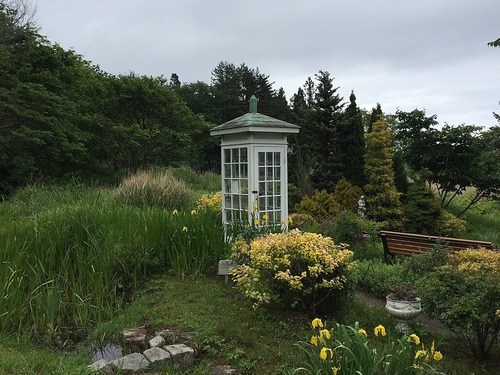
On a hilltop outside of Otsuchi, Japan, stands a telephone booth painted white. Inside is the simple rotary-style telephone, called the “Wind Phone (Kaze no Denwa).” It is not connected to any telephone lines, but is there for anyone who has lost a loved one to go into the booth and give them a call. Since the Tohoku Earthquake of 2011, which killed ten percent of Otsuchi’s population, many thousands of people from around the world have gone there to hold one-way conversations with the departed. Where do their loved ones go when they die?
In Zen, there is a famous triptych of koans called Doushuai’s Three Barriers. The first asks, As you’re searching for your true nature in the weeds and dark places of life, where is that nature right now? The second asks, When the light of your eyes dims, how will you be free? The third questions:
When you’re free from birth and death, you know where to go. When your four elements separate, where do you go?
Last weekend I attended the memorial service for a Zen friend at one of the zendos he frequented over his many decades of practice. It was a warm tribute to the “Trickster Monk” as his son called him, but I was also surprised at how simple it was. The hundred or so people took seats arrayed around the altar, upon which sat an urn of the monk’s ashes. Three officiants, all Soto priests, came in and said a few words. The assembly chanted a couple of sutras, drums were hit and bells rung, the family spoke, and then everyone filed out. Rain beat down heavily on the Zendo roof. A quiet ceremony. Low key. Loving and honoring. Where did he go?
Traditional Buddhist faith says that there are nine states of mind; including the six senses, the ego, the karmic storehouse, and pure consciousness itself. Yamada Koun wrote that upon death, the senses may be lost, but the ego and karmic storehouse remain; all a function of the greater pure consciousness, which is neither born nor dies. These states of mind are “as though they were waves on the water of a vast ocean.” One time during a teisho I remember him admitting he really had no idea if there was some transmigration of the soul after death. All that is immutable is pure consciousness: “We were not born,” he said, “And we do not die.”
The weekend I left Japan for good after some years, Yamada fell down some stairs and was incapacitated. A year later, I was in Japan by chance for one week, and visited him during a Sunday Zenkai. Unconscious in bed, he was very pale. Three days later, the Roshi passed away. On Friday night, about a dozen people held a wake before the formal funeral, to be held the next day. We sat in the Zendo, only steps away from his casket, and then chatted and drank sake late into the night. Finally, we laid out our futons, the ones we used during sesshin, and slept in the Zendo with Yamada’s casket. It was one of the most blessed sleeps I have ever had. Early the next morning, as the run was rising, I put away my futon and headed to the airport for my return trip to the U.S.
When he was dying, Yunmen concluded as his last admonition, “If you don’t understand, the Buddhas have a clear teaching—follow and practice it.” To practice, we don’t need to know where we are going after we die.
—Jon Joseph

COME JOIN US on Mondays for koan meditation, dharma talk and conversation. Register to participate. All are welcome.
Jon Joseph Roshi, Director of San Mateo Zen Community